Testing 101
A primer on picking tests and a lab, then interpreting the certificate that comes back.
Data over declarations: test the vial itself.
A practical walkthrough of which assays to request, how to pick a lab and what the returned certificate is telling you, built on community experience and linked to the lab reports shown across this marketplace.
What is testing?
A lab assay measures whether a product's identity, composition and quantity fit a defined specification. Confidence in any vial should rest on those results.
- Commissioned and paid for by the seller of the vial
- Typically describes a production lot, not the vial you hold
- May reflect the seller's interests
- You select the lab and submit the vial that actually reached you
- Checks that the compound is the right one and that the active ingredient (API) is present at the labeled amount
- Proof you can attach to an escrow claim
Group testing
Several buyers from the same lot each contribute a vial and share the lab fee. The cost per person drops, and the result says much more about the lot.
- Describes the lot as a wholeA lone vial reading 5% low proves little, since neighboring vials could sit at or over the label. Multiple samples yield a believable average mg per vial.
- Split feesWhen orders are pooled, purity, mass and endotoxin panels become affordable for each member.
- Each group choosesA group may withhold its findings for a few weeks as a thank-you to those who funded the test, publish right away, or never publish. Combined data across brands ends up useful to the whole community.
Which tests to order
Every vendor has, at some stage, sent out the wrong peptide, a short fill or product that had degraded. Weak quality control, poor raw material or sloppy finishing are the usual causes. The sections below cover which checks to run and how frequently.
Why it matters
Purity speaks to synthesis quality, meaning a stable peptide carrying very little deamidation. The mass figure tells you whether the quantity on the label is really inside the vial. Ask the lab for raw data so the numbers can be independently verified. A broader look at purity in the research-peptide market is in this guide .
Why it matters
Endotoxins are mostly lipopolysaccharides (LPS) from the walls of gram-negative bacteria. Solid-phase peptide synthesis is not expected to produce them, yet vendors seldom share their process or the standards they follow. A Limulus Amebocyte Lysate (LAL) assay is the way to confirm levels are acceptable.
Why it matters
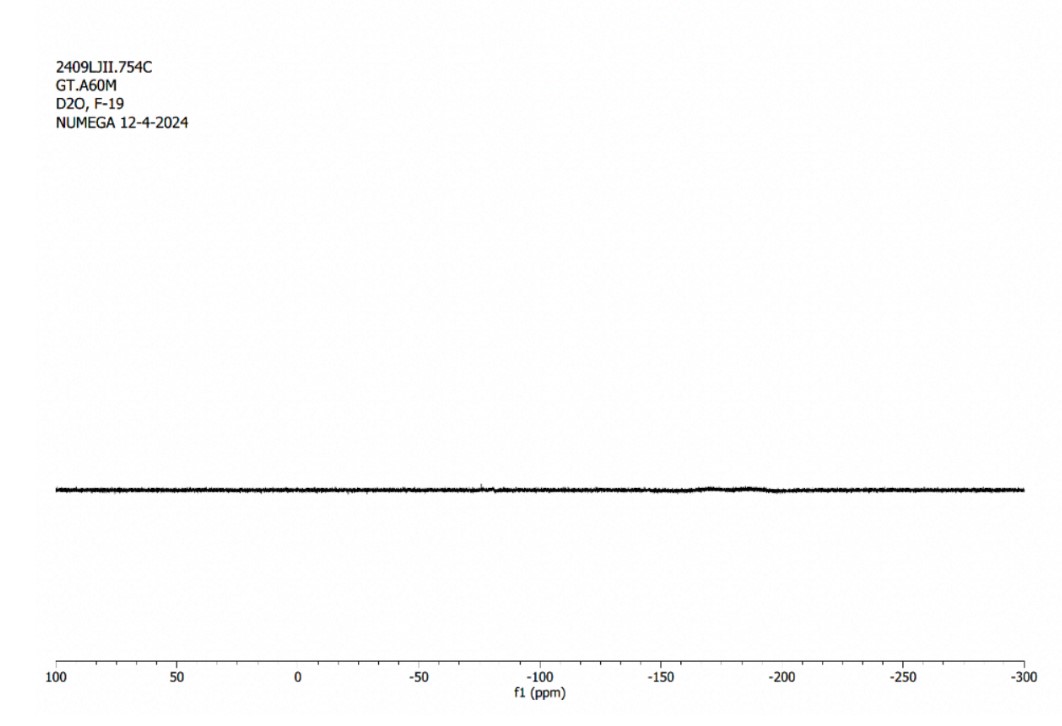
Producing the TFA salt is less costly than making the sodium or acetate form, and it is the form buyers tend to want least. An occasional NMR F-19 test will reveal a brand that swapped salts without announcement. Read more under Residual Solvents.
Why it matters
Heavy metals have no accepted safe threshold in a peptide product. Testing now and then confirms they are absent and adds another layer of reassurance.
Start with the Test Data spreadsheet , because another member may have tested your brand lately.
The detail
For a sterility assay, samples sit in growth media for about two weeks, and many vendors would fail it because contamination crept in during manufacture or handling. A 0.22 μm polyethersulfone (PES) filter plus aseptic technique lowers that risk. Freeze-dried vials stored in a freezer are not a real worry for bacterial growth.
The detail
The Class 2 solvents that SPPS commonly relies on (SPPS: DCM, DCA, DMF, ACN, NMP) are low-risk and are removed through proper lyophilization. No Class 1 solvent is known to be used in SPPS, and all of them boil below 85 °C, which makes surviving vacuum drying extremely unlikely (ICH Q3C ). Where TFA is not detected, Class 1 traces are nearly certainly missing too.
Which lab to use
HPLC and NMR are within reach of many local labs, including those at universities. The ones listed here have a good reputation both nearby and abroad.
- HPLC: offered
- NMR F-19: offered
- Endotoxin: offered
- Heavy metals: offered
- HPLC: offered
- NMR F-19: not offered
- Endotoxin: offered
- Heavy metals: not offered
- HPLC: not offered
- NMR F-19: offered
- Endotoxin: not offered
- Heavy metals: not offered
Reading your results
For each assay: what a passing result looks like, how labs arrive at the number, and two tools for running the arithmetic yourself.
HPLC
An HPLC run grades the synthesis and shows how much the peptide has broken down since, which together give purity. We set >98% as the bar, matching practice in FDA-regulated 503A/B compounding. The run also gives API mass, for which ±10% is our standard, the same promise many vendors make. USP <905> is looser: ±15% across a batch, with no single unit beyond ±25% of target.
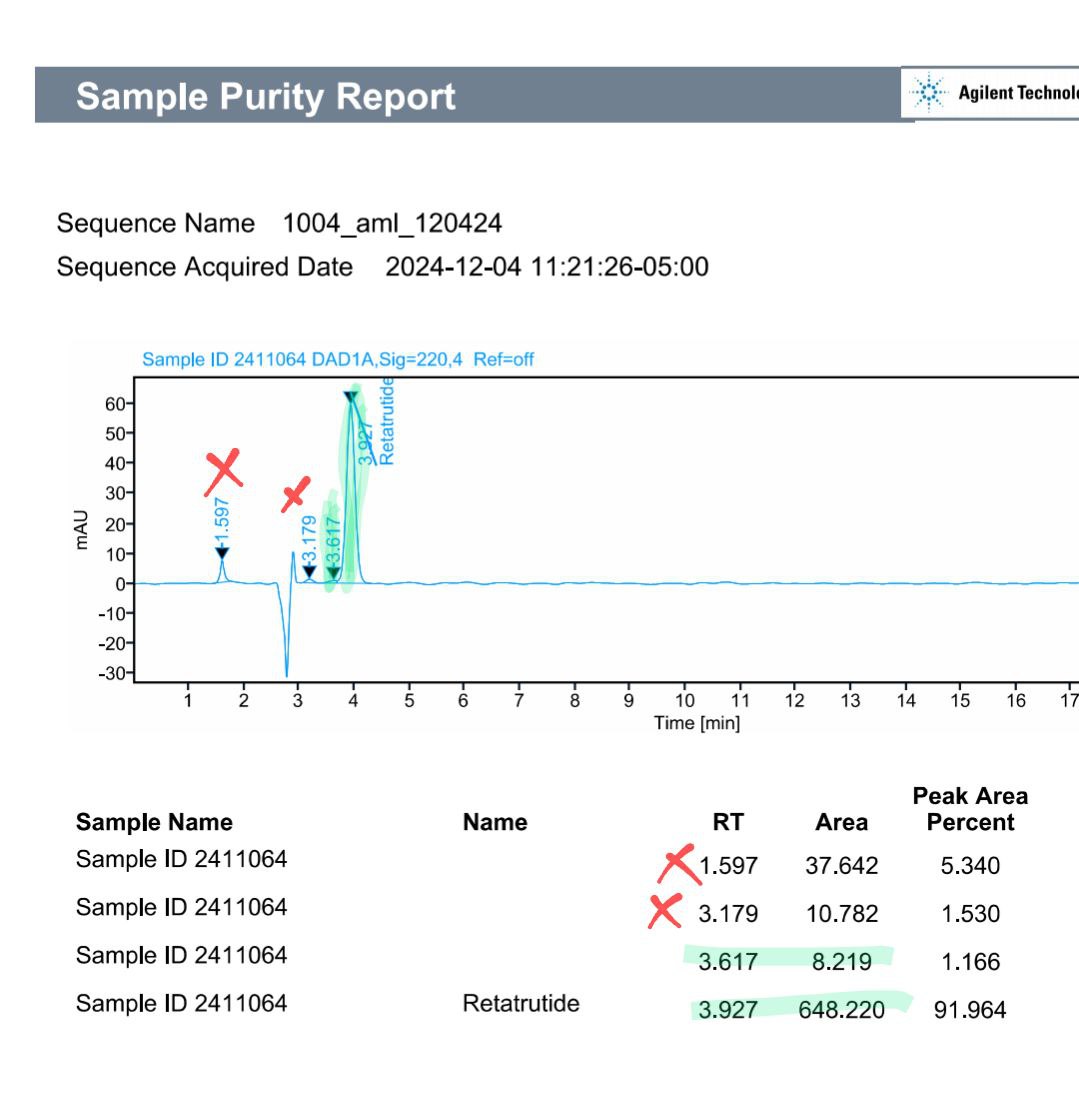
A method is calibrated to one peptide using a reference standard , so when that peptide is not in the vial the chromatogram has no peak. If a peak lands at the expected retention time (RT), the area under the curve (AUC) yields purity and mass. Little peaks beside it usually represent degraded peptide (deamidation) or compounds close in size, and they generally count toward purity.
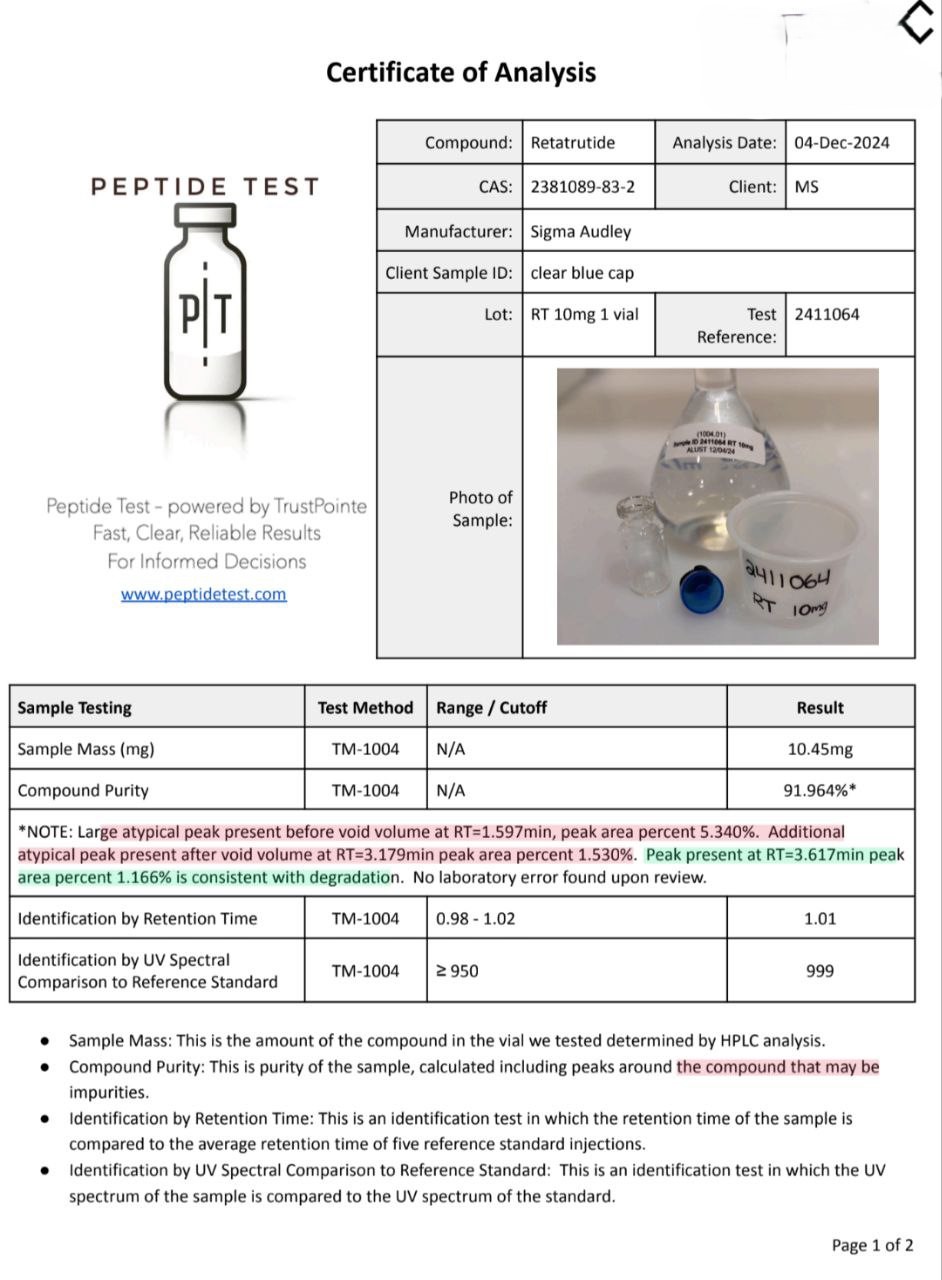
Which small peaks get counted depends on the lab. Degradation products normally go in. Something tagged "unidentified filler" may stay out. Recognized fillers such as mannitol, a stabilizer used when lyophilizing, are never counted. Request the raw data every time; it often explains why two labs disagree on purity.
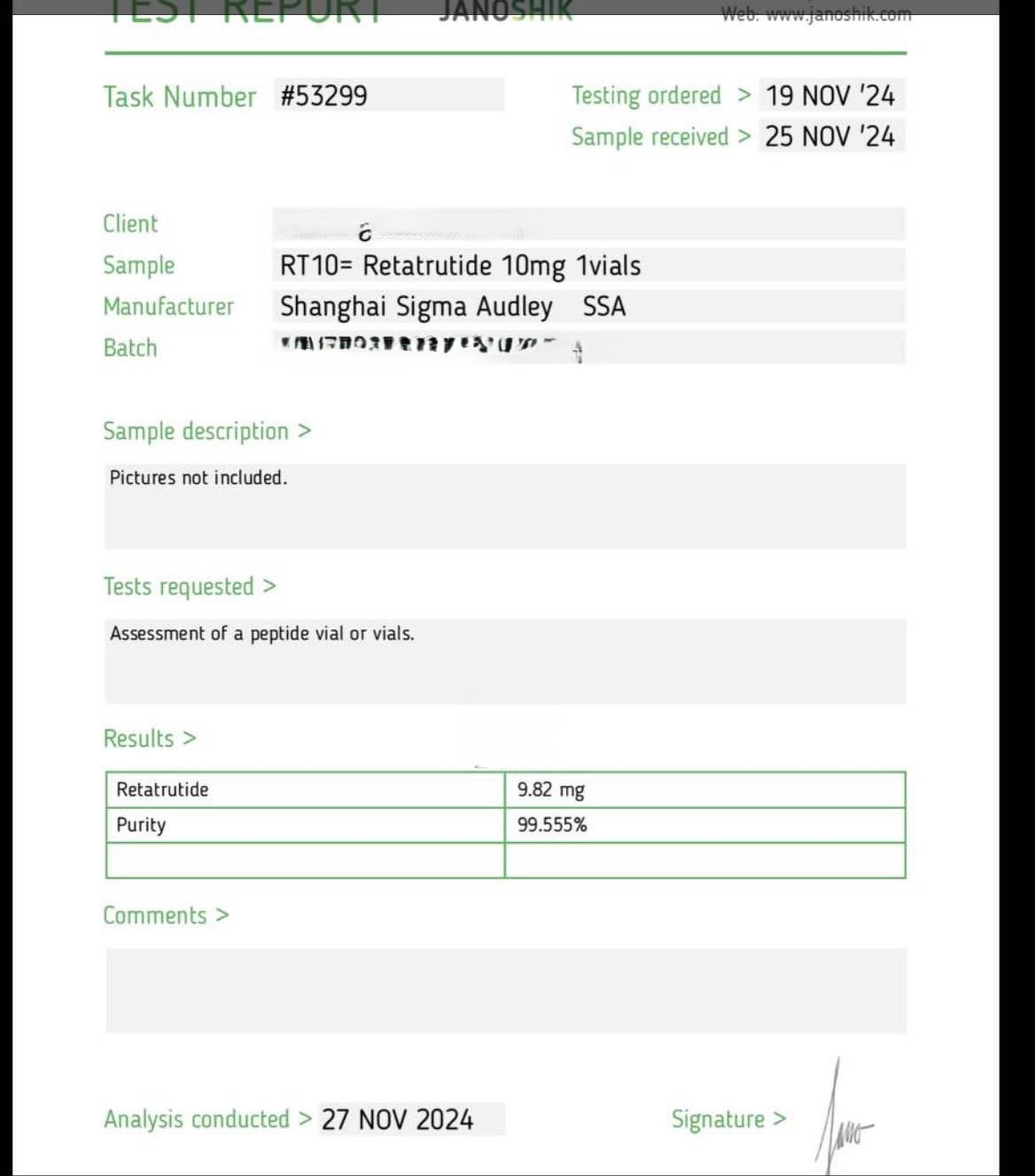
Two minor peaks (37.642 and 10.782) were called "unknown filler" by PeptideTest and added to its total, while Janoshik excluded them. Take those out and PeptideTest's purity falls into line with Janoshik's, inside normal error:
648.220 ÷ (648.220 + 8.219) = 648.220 ÷ 656.439 = 98.75%* filler in the PeptideTest total alone.
NMR F-19
Fluorine-19 NMR finds trifluoroacetic acid (TFA) and quantifies it. Three fluorine atoms give TFA a clear, very sensitive signal near −76 ppm, an ideal handle for catching leftover TFA and the TFA salt form alike.
Endotoxin
LAL assays detect lipopolysaccharides, poisonous components of bacterial cell walls, and express them in endotoxin units (EU). The FDA-regulated 503A/B pharmacies that source tirzepatide aim for <10 EU/mg of API. USP also lists 5 EU/kg body weight/hour, but it covers all endotoxin sources over time, so we advise the plainer 10 EU/mg limit (source ).
Gives EU for the entire vial.
EU/mg = X EU ÷ Y mg30 mg vial, 6 EU → 6 ÷ 30 = 0.2 EU/mg ✓
Gives EU/mL, with the sample dissolved in 2 mL.
EU/mg = X EU/mL ÷ (Y mg / 2 mL)30 mg vial, 8 EU/mL → 8 ÷ 15 = 0.53 EU/mg ✓
Reports on the marketplace
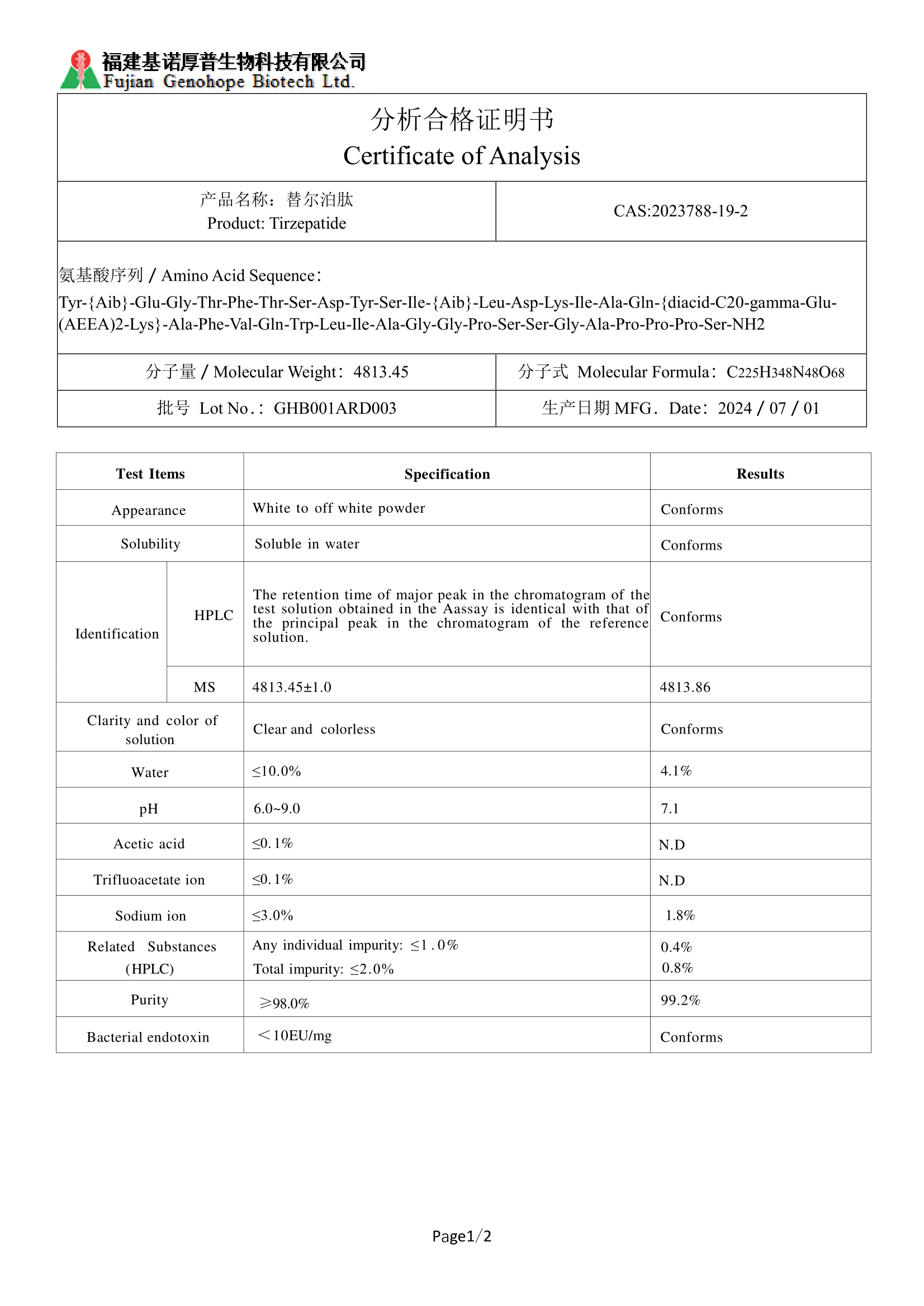
Every listing on GLP1 Chat Vendors shows its lab report next to the price — 276 reports across 314 listings so far. The newest:
A failed independent test during escrow, whether it shows the wrong compound or a big under-fill, gives you grounds to open a claim. The brand stays unpaid until the case is resolved.
GLP1 Chat Vendors buyer’s guide. Questions or feedback on the information or sources? Contact our support team. Not medical advice; for research and education only.
Your Cart
 Arctic Labs3 products · 3 lab-testedVisit store →
 AUverifiedPeptides9 products · 9 lab-testedVisit store →
 Azentra Laboratories1 product · 1 lab-testedVisit store →
 Biohack Peptides4 products · 4 lab-testedVisit store →
 BioPepta22 products · 20 lab-testedVisit store →
 Core Peptides10 productsVisit store →
 Cyprus Peptides93 productsVisit store →
 European Peptide Sciences34 productsVisit store →
 EuropePeptide13 productsVisit store →
 HK Peptide111 products · 53 lab-testedVisit store →
 HKTide Biotech1 productVisit store →
 HPEBIO20 products · 19 lab-testedVisit store →
 Imperial Peptides20 products · 15 lab-testedVisit store →
 InnoPeptide2 products · 2 lab-testedVisit store →
 Jinlu Peptides50 productsVisit store →
 JP8 products · 8 lab-testedVisit store →
 Kensington Biosciences26 productsVisit store →
 Lab77 Peptides33 products · 18 lab-testedVisit store →
 Lianhua Peptide Co.37 productsVisit store →
 Lilipeptide49 productsVisit store →
 Limitless BioChem2 products · 2 lab-testedVisit store →
 Maxed Out Compounds11 products · 9 lab-testedVisit store →
 MEI-PEPTIDE5 products · 5 lab-testedVisit store →
 MJT Peptides1 product · 1 lab-testedVisit store →
 Nouveaux2 products · 1 lab-testedVisit store →
 Peptide Express21 productsVisit store →
 Purus Peptides8 products · 8 lab-testedVisit store →
 SSRBIO69 productsVisit store →
 Sulan Bio46 products · 12 lab-testedVisit store →
 SynTide Research12 productsVisit store →
 TFC Peptides192 productsVisit store →
 TOP Peptide2 products · 2 lab-testedVisit store →
 Uther Peptide105 products · 87 lab-testedVisit store →
 UWA Biotech21 products · 20 lab-testedVisit store →
 Vital Edge Science14 products · 14 lab-testedVisit store →
 Zhejiang Peptide Co.2 productsVisit store →
 Zhuoyan Laboratory Peptide Co.1 product · 1 lab-testedVisit store →
 Zyn Pharma12 productsVisit store →Compare all brands →
All Categories
Search
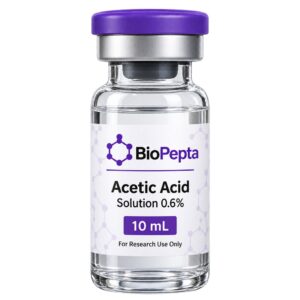
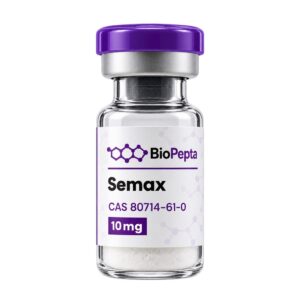
Semax 10mg (10 Vials / Kit)
$51.00 $0.51/mg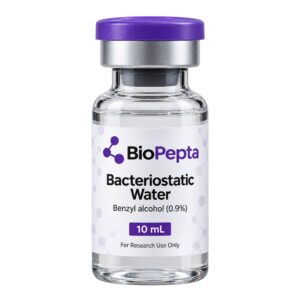
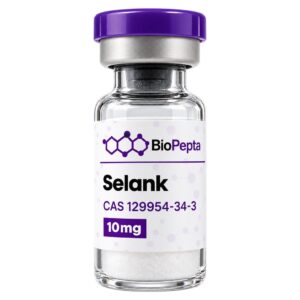
Selank 10mg (10 Vials / Kit)
$69.30 $0.69/mg
About an order? Include your order number. We never ask for passwords or seed phrases.
Before you enter
GLP1 Chat Vendors lists research peptides for laboratory and educational use only. Nothing on this site is medical advice or intended for human consumption.
By continuing you confirm that you are 21 or older and agree to our Terms of Service.